What Makes the Cultural Experience in Kumbhalgarh Different from Others
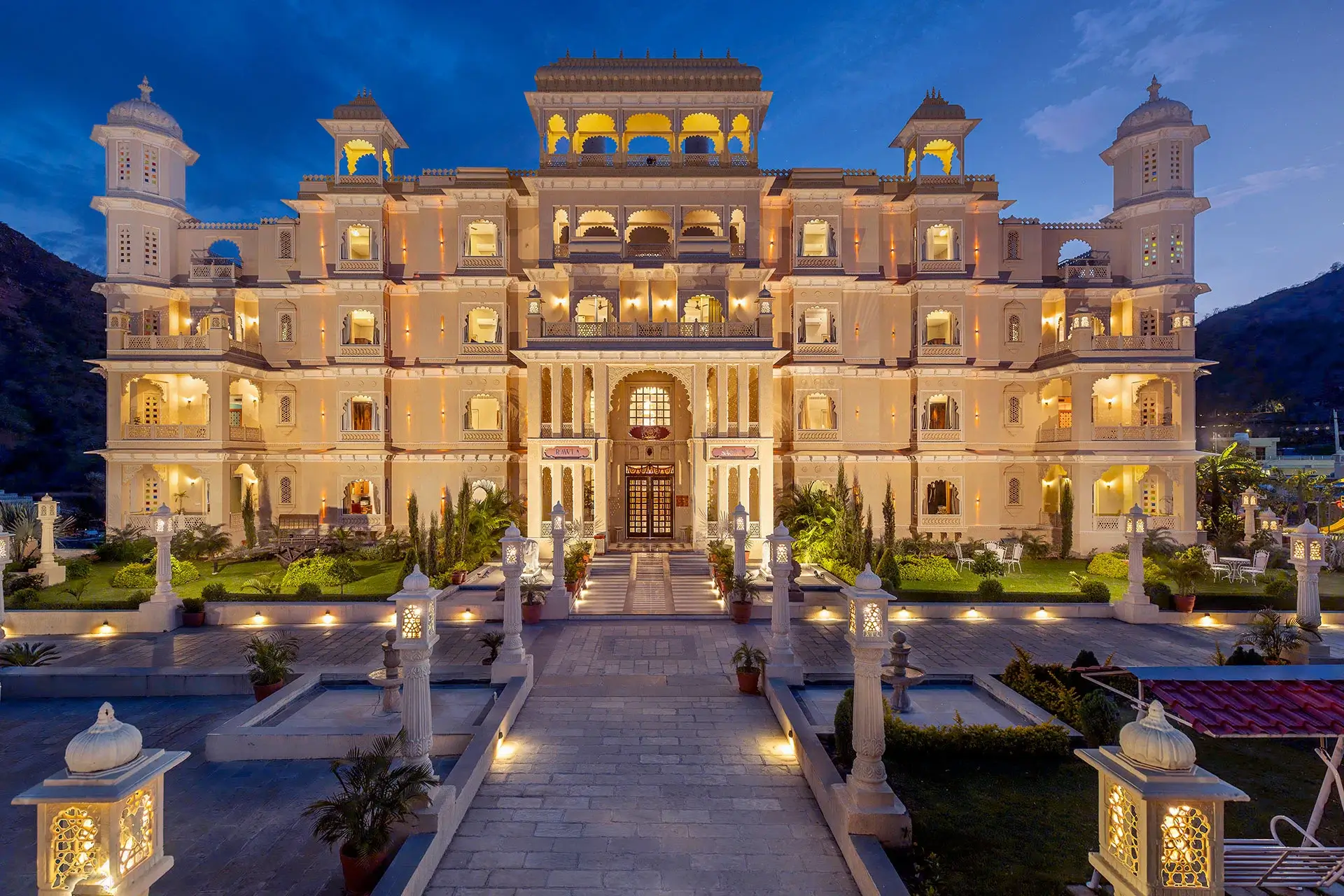
Heritage Destinations in Rajasthan Rawla Sagrun sits in this belt of Rajasthan where fort walls, forest tribes, and temple carvings share the same hillside, and that mix is what sets the region apart.
A Fort Town That Never Stopped Being a Village
Most heritage circuits in R ajasthan hand you a curated version of the past: palace tours, guided walks, and a gift shop at the exit. Kumbhalgarh doesn't work that way. The best place to stay in Kumbhalgarh puts you within reach of Bhil and Garasia hamlets that still function the way they did generations ago, not as a museum exhibit but as an actual place people live. That difference changes what "heritage" even means once you're on the ground here.
When Kumbhalgarh's Culture Actually Began
Kumbhalgarh Fort Hotel's identity didn't start with tourism, it started with construction. Rana Kumbha commissioned the fort in 1443 AD, and his chief architect, Mandan, spent roughly 15 years building it, finishing around 1458 AD. The fort wasn't even the first structure on that hill. It was raised over the ruins of an older fortification linked to King Samprati, grandson of the emperor Ashoka, which means people were building on this exact ridge more than two thousand years before Rana Kumbha arrived.
- The fort's 36-kilometer wall, wide enough for eight horses to ride abreast, became the second most favored capital of Mewar after Chittorgarh
- Maharana Pratap, Mewar's most famous warrior king, was born inside this fort in 1540
- In the 19th century, Maharana Fateh Singh added Badal Mahal, the "Palace of Clouds", which now functions as the fort's museum
- UNESCO added Kumbhalgarh to the World Heritage List in June 2013, grouped with five other Rajasthan forts under the "Hill Forts of Rajasthan" listing
- The Kumbhalgarh Festival began as a modest local gathering organized by the Rajasthan Tourism Department to honor Rana Kumbha's patronage of the arts, and has since grown into a three-day event drawing visitors from across the country
What Makes Kumbhalgarh's Culture Different
Kumbhalgarh's cultural identity comes from two things layered on top of each other: a fort with roots going back to antiquity and a living Aravalli hill culture that predates even that first fortification. Jaipur gives you architecture and bazaars. Udaipur gives you lakes and palaces. Kumbhalgarh gives you a UNESCO World Heritage fort standing next to tribal communities most tourists never meet.
- Bhil, Garasia, and Rabari villages sit inside or bordering the Kumbhalgarh Wildlife Sanctuary, some reachable only by jeep with forest department permission
- The Bhil community's presence in this region predates written record, and their name is widely believed to come from the Dravidian word for bow, "billu" or "villu," a nod to their historic skill as archers
- Local communities practice ethno-veterinary medicine, treating livestock with neem, dhak, and babool passed down orally through generations, a practice rooted in close observation of the land rather than any textbook
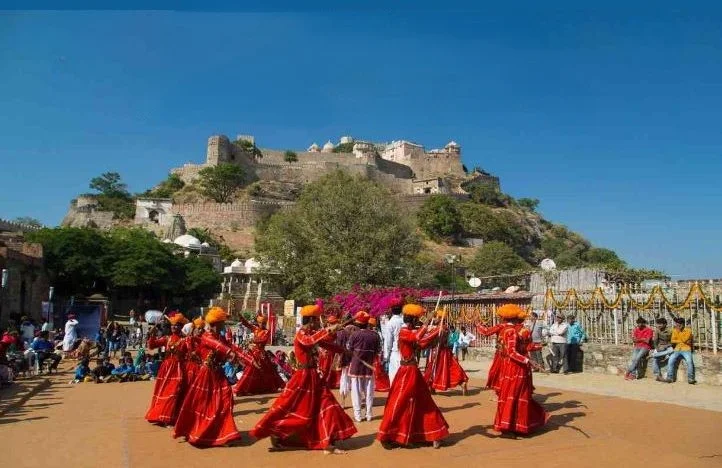
- The annual Kumbhalgarh Festival, held every December, turns the fort into a live stage for Ghoomar, Kalbeliya, Bhavai, and Chari dances.
- Muchhal Mahavir Jain Temple and Badal Mahal sit inside the fort complex, adding a layer of active worship most heritage sites have converted into pure tourism
What to Look For in a Kumbhalgarh Cultural Stay
Not every Kumbhalgarh hotel near the fort gives you real access to this culture. A few factors decide whether your stay is genuinely immersive or just scenic.
- Distance from tribal villages — properties near the wildlife sanctuary boundary offer shorter, easier access to Bhil and Garasia settlements.
- Local guide relationships — visiting tribal hamlets requires forest department coordination, and only certain heritage hotels have those contacts built in.
- Timing around the festival — the Kumbhalgarh Festival runs three days in early December, and staying nearby during that window means folk dance, light shows, and craft bazaars right at the fort.
- Access to Ranakpur and Ghanerao — both sit within a short drive and round out the cultural picture with Jain temple architecture and a princely thikana village.
- Kitchen sourcing — meals built around local produce and regional recipes tell you more about Mewar than any museum plaque.
- Staff who live in the region — people who grew up here explain customs, including centuries-old ones like the Mewar Bhil Corps history, with detail a training manual can't replicate.
A stay that checks these boxes turns a weekend trip into an actual cultural exchange, not a drive-by photo stop.
Common Misconceptions About Kumbhalgarh's Culture
Most travellers assume Heritage Stay in Kumbhalgarh is a smaller, quieter version of Udaipur. That assumption misses what makes it worth visiting.
- Thinking the fort is the only cultural attraction, when the surrounding villages carry just as much history, some predating the fort by over two thousand years
- Assuming tribal village visits can happen without planning, when forest permissions and guide access take advance coordination
- Expecting the Kumbhalgarh Festival to run year-round, when it's a fixed three-day event in December
- Treating the wildlife sanctuary as separate from the cultural experience, when Bhil and Garasia communities have lived inside its boundaries for generations
- Assuming Rajput and tribal history are unrelated, the Mewar Bhil Corps, formed in 1841, shows how closely the two histories are tied together
Once travelers understand this, they plan differently and get far more out of the trip.
Who Kumbhalgarh's Cultural Experience Is Really For
This isn't a destination built for a quick checklist tour. It rewards people who want context, not just a photo.
History enthusiasts get a fort that actually functioned as a refuge for Mewar rulers, including the infant Maharana Pratap, rather than a preserved shell. Nearly six centuries of continuous history, layered over an even older settlement, hold up to slow, repeated exploration.
Culture-focused travellers, especially those visiting in early December, get folk performances, turban-tying and mehendi competitions, and craft bazaars selling bandhani textiles and silver jewellery directly from local artisans.
Photographers and slow travellers get villages where stone houses, farming routines, and herding life continue without staging. Ghanerao, a short drive away, adds a second layer of this same rural authenticity.
Why Rawla Sagrun Is the Right Choice
Rawla Sagrun works from inside this Kumbhalgarh landscape, not from the outside looking in.
- Positioned close enough to the fort and sanctuary boundary to make village visits a half-day trip, not a full expedition
- Staff draw on regional roots to explain local customs, festival history, and village etiquette before you go
- Meals reflect Mewar cooking traditions using regionally sourced ingredients, not a generic hotel menu
- Coordinates access to nearby cultural stops, including Ranakpur, Haldighati, and Ghanerao, as part of the stay
If cultural depth matters more to you than a polished brochure experience, this is where that trip starts.
Conclusion
Kumbhalgarh's culture isn't packaged the way Jaipur's or Udaipur's is, and that's exactly its value. A fort begun in 1443 and finished after 15 years of work, built over ruins nearly two thousand years older, sits beside tribal villages that have followed their own calendar the entire time. Book your stay around the December festival dates if you can, and set aside a half-day for a guided village visit. That single addition changes the entire trip from sightseeing to something closer to understanding.
